 Reviews


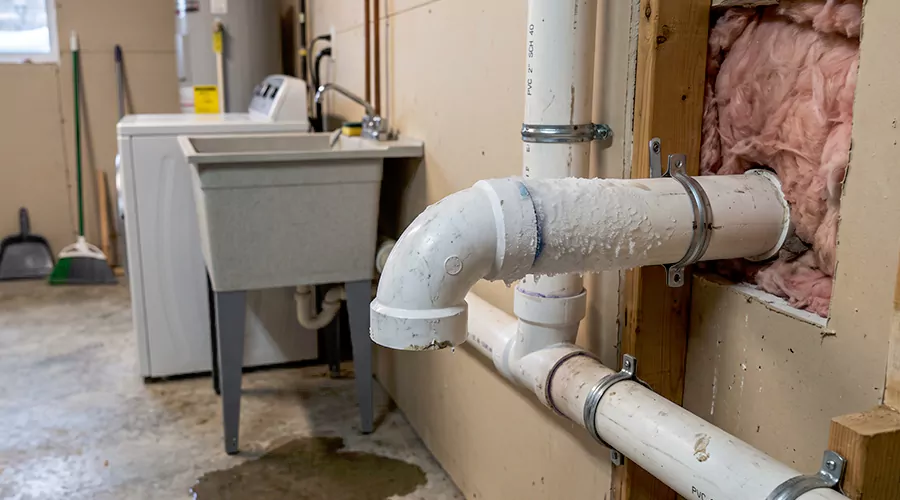
A drain pipe can freeze when standing wastewater inside an exposed section reaches freezing temperatures. P-traps are particularly vulnerable because they are designed to retain water. A drainage pipe with poor alignment may also hold water that can freeze during prolonged cold weather. Plumbers for frozen pipes can help locate frozen sections, safely thaw affected pipes, and address underlying issues that increase the risk of freezing.
Water freezes at approximately 32°F under ordinary conditions. Frozen drainage can stop wastewater from leaving the fixture even when the connected water-supply pipes are working normally.
A frozen drain requires a different approach from a frozen water-supply line. Understanding the difference can prevent overflowing fixtures and unnecessary chemical treatments.
What Causes a Drain Pipe to Freeze?
Drainpipes can freeze when standing water remains inside sections exposed to prolonged cold. Ordinary drainage pipes are designed to carry wastewater away through gravity. However, P-traps intentionally retain water and poorly aligned pipes may hold additional liquid.
Common contributing factors include:
- Cold crawl spaces: Exposed drainage components remain near outdoor temperatures.
- Unheated buildings: Pipes lose heat during extended periods without heating.
- Frozen P-traps: Water retained inside the trap forms ice.
- Poor pipe alignment: Low sections retain wastewater instead of draining completely.
- Partial blockages: Accumulated debris can trap additional standing water.
- Exposed outdoor drains: Surface drainage sections may freeze during severe cold.
- Insufficient insulation: Vulnerable plumbing loses heat rapidly.
- Cold drafts: Moving air lowers temperatures around exposed drainage components.
A drain that contains no standing water throughout most of its length is generally less vulnerable than a section that retains liquid.
Can a P-Trap Freeze?
A P-trap can freeze because its curved section intentionally retains water. This water creates a barrier that prevents sewer gases from moving freely through the fixture. However, the retained water can form ice when the trap remains exposed to sufficiently low temperatures.
This problem may affect:
- Sinks installed in unheated buildings.
- Drains in poorly insulated utility rooms.
- Plumbing inside cold crawl spaces.
- Fixtures installed near exposed exterior walls.
- Certain outdoor drainage connections.
A frozen P-trap can block the drain immediately beneath the fixture.
Unlike an ordinary debris clog, this obstruction may develop during cold weather without any unusual material entering the drain.
How Can You Distinguish a Frozen Drain From a Frozen Water Pipe?
A frozen drain prevents wastewater from leaving a fixture, while a frozen supply pipe prevents clean water from reaching it. This distinction is important because the symptoms require different responses. A sink that receives water normally but cannot empty may have a drainage problem.
| Symptom | Frozen Drain | Frozen Supply Pipe |
|---|---|---|
| Water reaches the faucet | Usually yes | May be restricted |
| Sink empties normally | Often no | Usually unaffected |
| Standing wastewater | Possible | Not a direct symptom |
| Reduced faucet pressure | Not normally | Common |
| Frozen P-trap | Possible | Not applicable |
| Main concern | Backup or pipe damage | Loss of supply or rupture |
A slow drain does not automatically mean that ice is present.
Hair or another physical obstruction can produce similar symptoms.
The timing of the problem and the temperature surrounding the pipe provide additional clues.
Why Does a Drain Freeze While the Water Supply Still Works?
Drainage and supply pipes can experience different temperatures because they follow different routes through the building. A pressurized supply pipe may run through a heated wall while the drain passes through an unheated crawl space. The drain can freeze independently.
A fixture may therefore receive water normally while wastewater remains trapped in the basin.
This situation can quickly become an overflow problem.
Continuing to operate the faucet introduces more water into a drain that cannot empty.
Stop using the affected fixture until the drainage restriction has been identified.
What Are the Warning Signs of a Frozen Drain Pipe?
A frozen drainage pipe often causes sudden drainage problems during severe cold. The affected fixture may have worked normally before temperatures dropped. However, ordinary debris blockages can develop at the same time, so the weather alone cannot confirm the cause.
Watch for these warning signs:
- A drain stops working during freezing weather.
- Water reaches the fixture normally but cannot leave.
- An exposed P-trap develops visible frost.
- Standing water collects unexpectedly.
- Drainage becomes slower as temperatures fall.
- A nearby exposed drain develops similar symptoms.
- An exterior drain stops discharging water.
- A previously blocked drain improves as temperatures rise.
- Water appears around an exposed trap during thawing.
- The same exposed drain freezes during repeated cold periods.
A leak appearing after thawing may indicate that ice damaged the pipe or one of its connections.
Can a Partially Blocked Drain Freeze More Easily?
A partial obstruction can increase freezing risk when it causes water to remain inside an exposed section. Debris may reduce drainage speed enough for wastewater to collect where it would normally move away. Prolonged cold can then freeze the trapped liquid.
For example, an exposed horizontal drain with poor alignment may already retain some water.
Additional debris can make the restriction worse.
During freezing weather, the standing water may form ice and block the remaining opening.
This creates two separate problems. The ice must thaw and the original obstruction must still be addressed.
A drain that repeatedly freezes in the same location may require inspection of its alignment and surrounding insulation.
What Should You Do When a Drain Pipe Freezes?
Stop using the affected fixture before attempting to thaw the drain. Adding more wastewater can cause an overflow while the pipe remains blocked. Begin by identifying an accessible exposed section and checking for signs of physical damage.
Follow these initial steps:
- Stop running water into the affected drain.
- Identify which fixtures are affected.
- Check whether water supply is operating normally.
- Locate accessible drainage piping.
- Inspect exposed sections for frost.
- Look for visible cracks or leaking joints.
- Determine whether sewage is backing up.
- Avoid adding chemicals or large amounts of water.
If wastewater is returning through several fixtures, stop using the connected plumbing.
Do not attempt ordinary DIY thawing when the problem involves sewage backing into the building.
How Can You Safely Thaw an Accessible Frozen Drain?
An accessible frozen drain may respond to gradual warming when the pipe is intact and the surrounding area is safe. Gentle heat can melt ice inside an exposed trap or nearby drainage section. However, the thawed water must have somewhere to drain.
The safest approach depends on the location of the frozen section.
For accessible piping:
- Stop using the fixture.
- Check for visible cracks.
- Remove standing water from the fixture when practical.
- Confirm that the area is electrically safe.
- Warm the surrounding room.
- Apply gentle heat to suitable exposed piping.
- Monitor the fixture for improved drainage.
- Watch the pipe for developing leakage.
- Stop if the pipe begins leaking.
- Test normal drainage only after the obstruction has cleared.
Warm towels are one option for certain accessible pipes.
Do not use an open flame or direct excessive heat toward plastic fittings.
Current 2026 drain-thawing guidance also identifies gradual warming as an approach for accessible frozen sections.
Can You Pour Hot Water Into a Frozen Drain?
Small amounts of appropriately warm water may help with certain accessible ice blockages, but the method has limitations. A completely blocked drain can simply accumulate additional water. Excessively hot water can also damage certain plumbing materials or nearby fixtures.
Avoid pouring boiling water into a frozen drain.
Do not continue adding water when the fixture is already nearly full.
Warm-water treatment is inappropriate when:
- The pipe is visibly cracked.
- The fixture is backing up with sewage.
- The drain contains unknown chemical products.
- The obstruction is located in an inaccessible shared sewer.
- Additional water cannot drain away.
A frozen drain that remains blocked after gentle warming needs further investigation.
Why Should You Avoid Chemical Drain Cleaners?
Chemical drain cleaners are designed for certain organic obstructions rather than ice. A frozen drain may prevent the product from moving away from the fixture. The trapped chemical then creates a hazard during later thawing or mechanical cleaning.
Avoid using commercial drain opener as a response to suspected freezing.
Never mix different cleaning chemicals.
Do not insert an auger into a drain that contains unknown corrosive products.
Physical pipe damage and frozen wastewater require different treatment from ordinary grease or hair buildup.
The most useful response is identifying the frozen section and restoring safe drainage without creating an additional chemical hazard.
How Much Does Frozen Drain Pipe Repair Cost?
The repair cost depends on whether the drain simply needs thawing or has sustained physical damage. An accessible frozen P-trap may require limited work. A split drain hidden inside a wall can require additional access and restoration.
| Situation | 2026 U.S. Cost Reference |
|---|---|
| Accessible drain thawing | Cost depends on access |
| Minor drainpipe repair | 100–800 |
| Drainpipe replacement per linear foot | 150–250 |
| Major difficult-to-access drain repair | Can exceed $8,000 |
| Typical burst pipe repair | 200–3,000 |
The drainpipe repair figures come from HomeGuide's February 2026 report. These are general repair estimates rather than prices specifically measured for frozen drains.
When Should You Call a Professional?
Professional assistance is appropriate when the frozen section is inaccessible or sewage is backing up through connected fixtures. A damaged pipe also requires repair before normal drainage can resume. Repeated freezing may indicate an installation problem that simple thawing will not correct.
Seek assistance when:
- The frozen drain is hidden inside a wall.
- Several fixtures are backing up.
- The affected drain carries sewage.
- A pipe has cracked.
- The obstruction remains after safe warming.
- The same section repeatedly freezes.
- Pipe alignment or structural damage is suspected.
A professional can inspect inaccessible sections and determine whether the original pipe arrangement contributed to freezing.
How Can You Prevent Drain Pipes From Freezing?
Preventing frozen drainage requires protecting water-retaining sections from prolonged cold exposure. P-traps deserve particular attention because they intentionally hold water. Poorly aligned drainage may require correction when standing wastewater repeatedly freezes.
Recommended preventive measures include:
- Insulate exposed drainage components where appropriate.
- Maintain heating in vulnerable interior spaces.
- Reduce cold drafts around exposed traps.
- Correct known drainage restrictions.
- Investigate pipe alignment when repeated freezing occurs.
- Winterize unused properties according to their plumbing requirements.
- Inspect exposed drains after severe cold.
Do not pour automotive antifreeze into household drains as an improvised winterization method.
Conclusion
A frozen drain pipe usually contains standing water that has turned into ice. Exposed P-traps and poorly draining sections are particularly vulnerable. Stop using the affected fixture before attempting gentle thawing. Avoid boiling water and chemical drain cleaners. If several fixtures back up or the pipe appears damaged, further investigation is necessary. This week, inspect exposed drainage components and identify sections that remain unusually cold during winter.
Frequently Asked Questions
Can a drain pipe freeze even when the faucet works?
Yes. The drainage system may freeze independently of the pressurized water-supply piping.
Why does my drain freeze repeatedly?
An exposed P-trap or another section that retains standing water may be losing too much heat.
Can frozen drains burst?
Yes. Expanding ice can damage pipes or their connections.
Should I use drain cleaner on a frozen pipe?
No. Chemical drain cleaners do not provide a suitable solution for an ice blockage and can create additional hazards.
Can a frozen drain thaw naturally?
Yes. However, the pipe should be inspected for leaks when drainage returns.